Write content that ranks — and gets cited by AI
Your page now has two readers: the ranking algorithm and the model summarizing the web. The good news is they reward the same things. Here's how to write for both at once.
One page, two readers
Your content now has two audiences, and they read it in completely different ways. The ranking algorithm crawls the whole page, weighs links and signals, and decides where you sit on the results page. The language model — the one writing the AI Overview, the Perplexity answer, the ChatGPT reply — skims for a single clean passage it can lift, attribute, and move on.
The good news is that the two readers reward most of the same things. A page that states its answer plainly, backs it with specifics, and structures itself into self-contained chunks wins a featured snippet *and* gets quoted by a model. You rarely have to choose. Write for a smart human who is in a hurry, and you have already written for the machine.
This piece walks through the handful of habits that move both surfaces, with concrete before/after examples and the numbers we see when we run drafts through Lume's content optimizer.
Lead with the answer
Both Google's snippet engine and every AI answer engine do the same thing first: they hunt for the most self-contained statement on the page. If your conclusion is buried under three paragraphs of warm-up — "In today's fast-moving digital landscape…" — you lose to the page that says it in sentence one.
Compare these two openings for a query like *"how long should a meta description be"*:
- Weak: "Meta descriptions have evolved a lot over the years, and there's been plenty of debate about the ideal length…"
- Strong: "Aim for 150–160 characters. Google truncates most descriptions around 160 characters on desktop and roughly 120 on mobile."
The second version is liftable as-is. A model can quote it without rewriting, and Google can promote it into a snippet. The first version forces both readers to keep scrolling.
Write the conclusion first, then the evidence. The "inverted pyramid" beats the "slow build" on every extractive surface — snippets, People Also Ask, AI Overviews, and chat answers.
Make it quotable and structured
Models lift clean units. A "clean unit" is a passage that answers a question completely without depending on the sentence before or after it. Give your readers — both of them — these four things:
- A crisp definition or direct answer near the top, ideally in the first 1–2 sentences under each heading.
- Specifics — numbers, dates, named steps, ranges — not vague claims. "Significantly faster" is unquotable; "2.1s faster on a 4G connection" is a fact a model will repeat.
- Descriptive headings phrased the way people actually ask. "Cost" is weak; "How much does a content audit cost?" matches the query and becomes a passage anchor.
- Short paragraphs and lists a model can pull without rewriting. Walls of text get summarized lossily or skipped.
Here is how each habit pays off on each surface:
| Element | Helps ranking | Helps AI citation |
|---|---|---|
| Answer in sentence 1 | Featured snippets, dwell time | Extractable summary |
| Specific numbers / dates | E-E-A-T signals | Quotable facts |
| Clear H2 / H3 structure | Crawlability, passage indexing | Clean passage units |
| Tables & lists | Snippet eligibility | Structured extraction |
| Third-party mentions | Authority, off-page signals | Entity trust |
Structure beats prose for facts
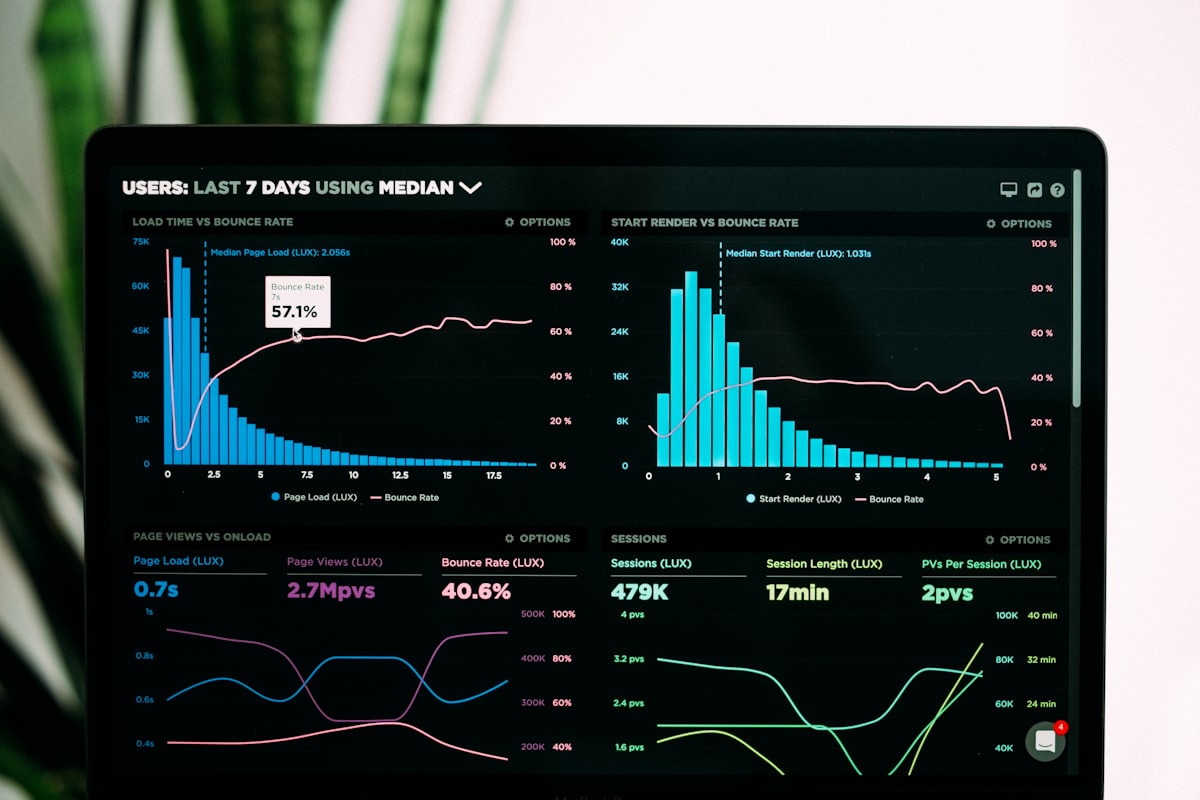
When the answer is a set of values, a table or a stat block out-performs a paragraph on both surfaces — it is unambiguous to a crawler and trivial to lift for a model. Where a paragraph would say "engagement was high and citations grew," show it:
Earn the citation, not just the rank
Ranking and being cited are correlated but not identical. A model tends to pull from sources it can verify — pages with named authors, dates, and claims it can corroborate elsewhere. In our drafts, the elements that most reliably earn an AI citation are not the same as the ones that win a snippet. Roughly how often each lever shows up in pages that get cited:
The pattern is consistent: clarity and specifics do the heavy lifting, while structured data is a useful tiebreaker rather than a requirement.
Help machines parse you with schema
For technical and how-to content, structured data makes your facts unambiguous to crawlers and answer engines alike. A simple FAQ or article block tells the machine exactly what the question and answer are:
{
  "@context": "https://schema.org",
  "@type": "FAQPage",
  "mainEntity": [{
    "@type": "Question",
    "name": "How long should a meta description be?",
    "acceptedAnswer": {
      "@type": "Answer",
      "text": "Aim for 150–160 characters; Google truncates most descriptions around 160 on desktop."
    }
  }]
}
Schema does not guarantee a citation, but it removes ambiguity — and on a page that is already clear, removing ambiguity is pure upside.
Cover the follow-up question
The best pages answer the next question too. Search rewards topical depth, so a page that resolves "how long should a meta description be" *and* "does meta description affect ranking" *and* "how to write one that gets clicks" signals genuine coverage. AI engines reward the same depth for a different reason: a single source that resolves the whole intent saves the model from stitching three pages together, which makes you the easiest source to cite.
Map the questions before you write. Pull them from People Also Ask, from the "related" prompts an AI engine suggests, and from real search variants. Each becomes an H3 with its own liftable answer.
Measure both surfaces
You cannot improve what you do not watch, and these two surfaces move on different clocks. Rank scans run daily on every Lume plan, so you see snippet and position changes the morning after you publish. The AI-visibility check runs your prompts across Gemini, ChatGPT and Perplexity and shows whether those engines actually name and link your domain — across 100k+ locations, with history from 30 days up to two years depending on plan.
Lume's content optimizer scores a draft against what already ranks for your target query, flags the missing follow-up questions, and surfaces the passages most likely to be lifted. Run a free scan and write for both readers at once.